BUILDS / VERIFIED GUIDE
Pathogenic Melee Build Guide
Use close-range damage without collapsing in later organs.
Melee works when movement, range, projectile handling, and defense are treated as core parts of the build. Keep a ranged or persistent-damage fallback when a boss punishes constant contact.
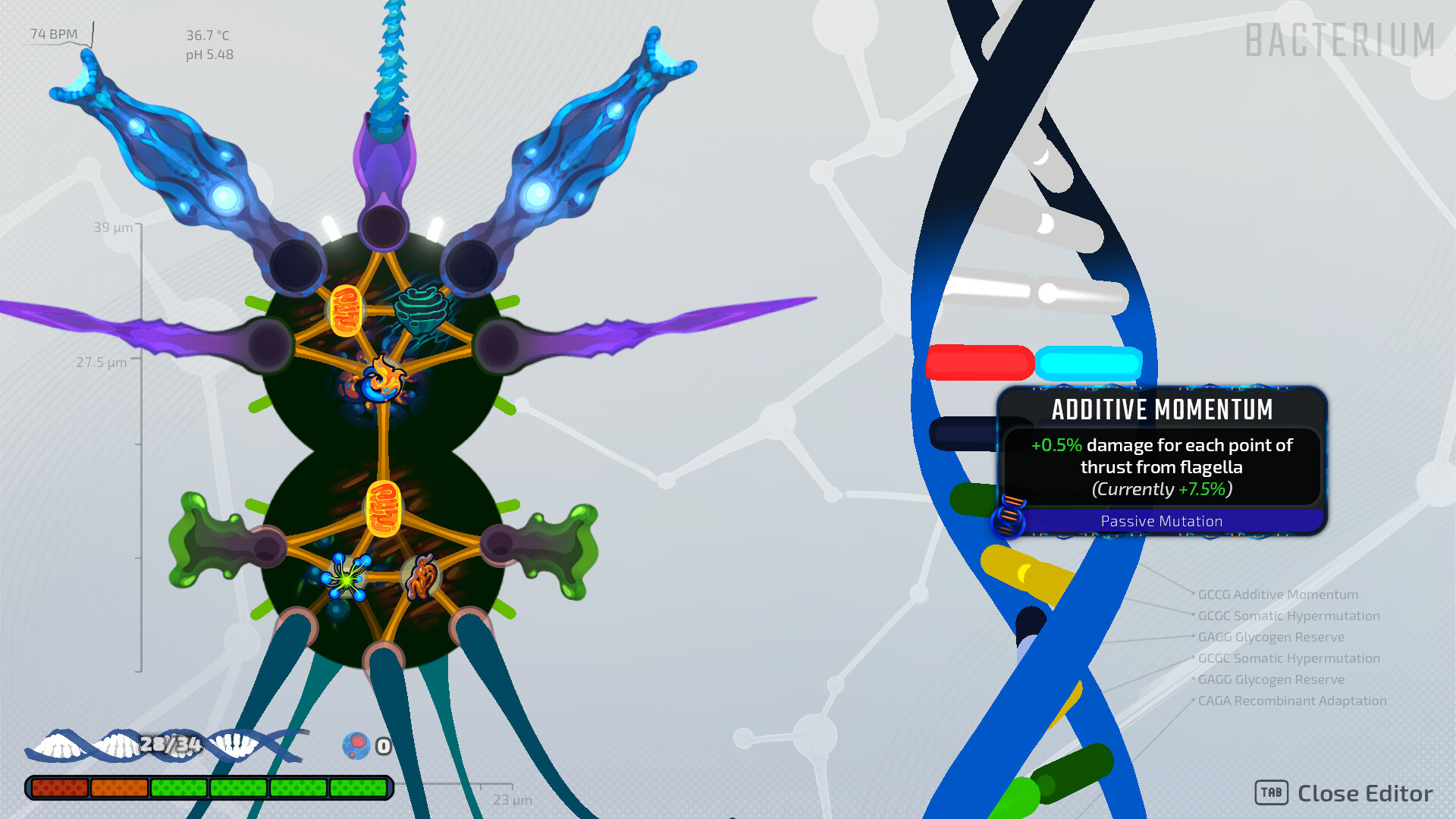
Organize melee around weapon, range, movement, defense, energy, and boss coverage.
Melee build checklist
Start with the exact player question behind “Pathogenic melee build.” This section keeps the answer scannable, defines the terms that matter, and avoids padding the page with unrelated game information.
Facts are separated from strategy. Patch-sensitive mechanics carry a review date, and recommendations are presented as flexible options—not the only correct way to play.
Survival and projectile control
Use the system in context. Pathogenic rewards complete chains, so the practical advice here explains inputs, outputs, tradeoffs, and what to do when a run does not give you the ideal component.
When to keep a ranged fallback
Finish with a decision you can use in the next run. Check the current version, follow the related mechanic or route page, and treat any community strategy as a tested option rather than a permanent rule.